
General Questions
What are pavers made of?
Pavestone pavers are made of pre-cast durable concrete.
What is the difference between pavers and concrete (slabs)?
Pavers are individual units made by casting concrete in molds and curing them. Concrete slabs are a continuous sheet of concrete poured or placed in forms and cured. The initial install of a concrete slab is faster and has a lower upfront cost.
Pavers, on the other hand, offer more design flexibility, are easier to repair and tend to last longer than concrete slabs. They also offer greater resistance to ground movement, given the joint spacing between. While concrete slabs are fairly limited in aesthetic, pavers come in a variety of shapes, colors and finishes. Some pavers (permeable pavers) even offer eco-friendly function – allowing water to pass through joints for stormwater control.
Is it cheaper to lay concrete or pavers?
Concrete trends to be cheaper upfront than pavers installation (depending on labor cost, area, etc…), but pavers offer better long-term value. They’re more durable, easier to repair, and add premium curb appeal—making them a smarter investment for many outdoor projects.
What are the best pavers for a patio?
Pavestone offers several top-rated patio pavers that balance style, durability, and DIY-friendly design. Popular options include:
- Holland
- Timeless & Versatile Design
- Made of Durable & Weather-Resistant Concrete
- Easy to Install
- Use for: patios and walkways
- Use the 60 mm for residential driveways
- Both Thicknesses can be applied for patio/walkway fields, edge courses and insets.
- Venetian Stone
- Textured surface = slip resistant
- Comes in Combo (6×6 and 6×9)
- RumbleStone
- Rustic, weathered stone look
- Modular “build anything” System-based design versatility
- Pairs well with RumbleStone Outdoor Living Kits
- Plaza
- Timeless, Tumbled Look
- Color Variety
- Durability & Strength
- Textured Surface = Slip resistant
- Easy maintenance and replaceability
- Planc
- Long, narrow format creates strong, modern lines
- Uniform size and shape makes for easy install
- Thinner joints allow for greater use of space
- Clayton
- Classic brick aesthetic yields timeless curb appeal
- Versatile pattern flexibility
- DIY-friendly to install
- Can be applied for patio/walkway fields, edge courses and insets.
Pro Tip: Choose a style that complements your home’s architecture and outdoor space. For high-traffic or freeze-thaw climates, opt for 60mm+ thick pavers and make sure the base is properly prepared.
What are the pros and cons of pavers?
- Pros
- Durable & Weather Resistant
- Crack Resistant
- Easy to Repair
- Design Flexibility
- Great Drainage
- Cons
- Potentially Higher upfront installation cost
- May require joint resanding, over time
Installation Questions
Can pavers be installed over existing concrete?
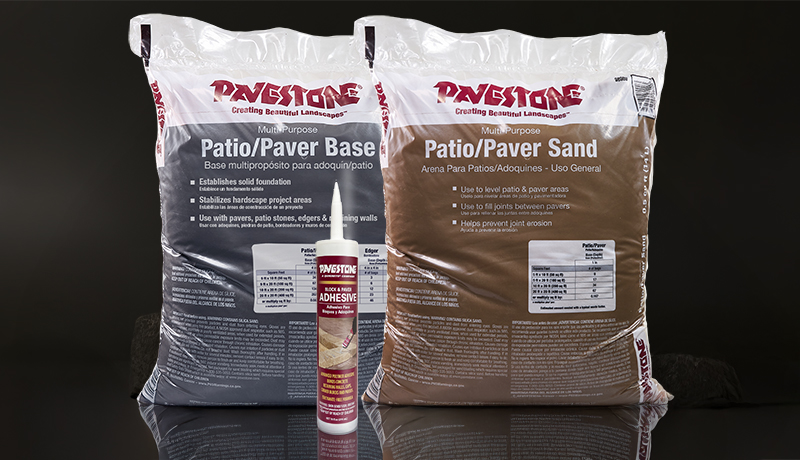
Yes, pavers can be installed over concrete if the slab is stable and in good condition. A bonding agent (like Pavestone’s Block and Paver Adhesive) or sand bedding can be used. However, proper drainage and edge restraint are crucial to prevent shifting or water pooling.
Can I just lay pavers on dirt?
No, pavers should not be laid directly on dirt. For a stable, long-lasting surface, you need to excavate the area and install a proper base of compacted gravel and sand before laying the pavers.
Do i need a base under pavers?
Yes, a base is essential under pavers. It provides stability, proper drainage, and prevents shifting or settling over time.
How thick should the paver base be?
How are pavers held in place?
Can I install pavers myself?
Do pavers need to be sealed?
Maintenance Questions
How do I clean pavers
Will weeds grow between pavers?
Can pavers crack or shift?
Design & Performance Questions
Are pavers slippery when wet?
Pavestone pavers are designed with textured surfaces to provide slip resistance, even when wet. However, traction can vary by style and finish. Learn more about paver options here: