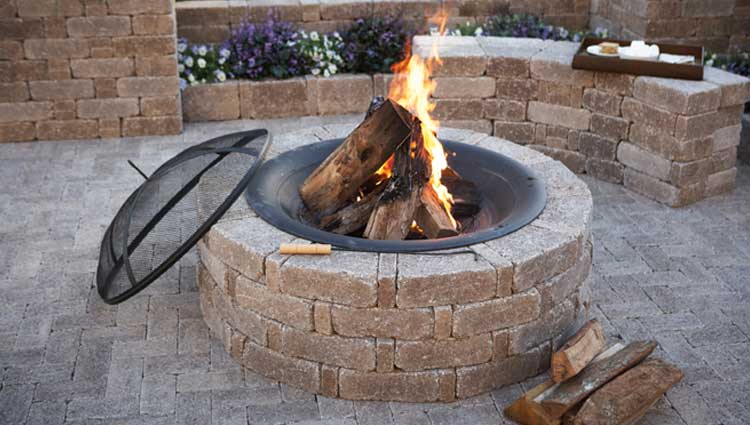
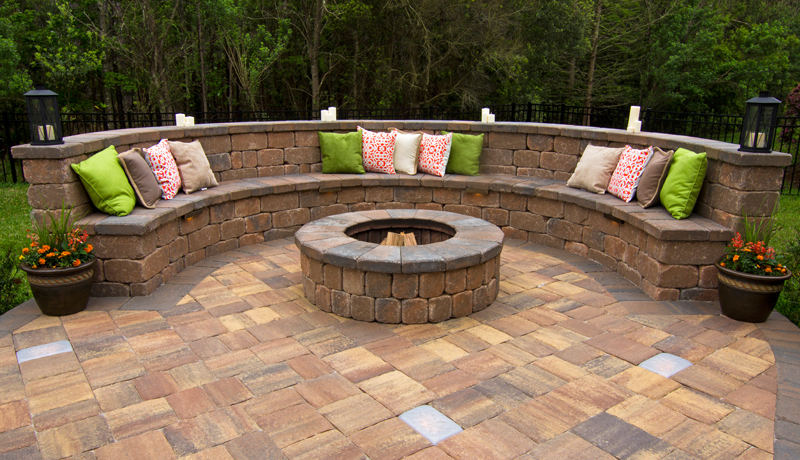
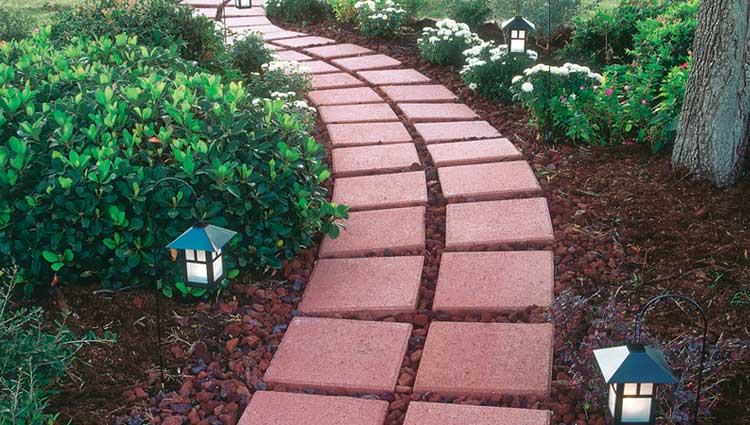
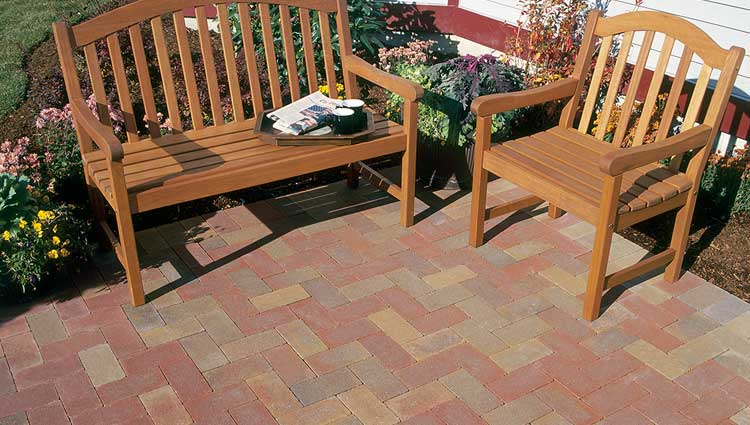

When planning your hardscape project, selecting the appropriate paver height is a crucial decision that impacts the functionality, durability, and aesthetic of your space. Pavestone offers pavers in a range of heights, with 45mm and 60mm being two of the most common options. Understanding the factors that influence this choice can help you make the best decision for your project.
Understanding Paver Heights
- 45mm Pavers: Often referred to as “standard-duty” pavers, these are lighter and thinner, making them ideal for areas with lighter loads, such as patios, walkways, and decorative spaces.
- 60mm Pavers: Known as “heavy-duty” pavers, these are thicker and more robust, designed for areas subjected to heavier loads, such as driveways, parking pads, and commercial spaces.
Key Considerations When Choosing Paver Height
- Purpose of the Space
- 45mm Pavers: Suitable for spaces where aesthetics and pedestrian use are the primary concerns. Examples include garden paths, backyard patios, and decorative courtyards.
- 60mm Pavers: Essential for areas that will experience vehicular traffic or heavy equipment, such as driveways, service areas, or industrial applications. Their added thickness ensures durability and resistance to cracking or displacement under pressure.
- Subgrade and Base Preparation
- Thicker pavers like the 60mm option can handle slight imperfections in the subgrade better than 45mm pavers, as they distribute weight more effectively.
- For 45mm pavers, precise base preparation is crucial to prevent shifting or sinking over time, especially in high-traffic areas.
- Aesthetic Preferences
- Both 45mm and 60mm pavers come in various styles, colors, and finishes, allowing you to achieve the look you desire. However, thinner pavers may be better suited for intricate designs or areas where elevation needs to be minimized.
- For a uniform appearance across a large area, consider the paver height that aligns with the surrounding surfaces and edging materials.
- Budget Considerations
- 45mm Pavers: Generally more affordable due to reduced material costs and easier installation. This can be a cost-effective choice for large projects where heavy loads are not a concern.
- 60mm Pavers: Slightly more expensive but offer superior durability and long-term performance, potentially saving on future maintenance or replacement costs.
- Climate and Environmental Factors
- In regions with freeze-thaw cycles, thicker pavers like the 60mm option provide better resistance to shifting caused by ground movement. Their added mass helps them stay in place under extreme conditions.
- In milder climates or areas with stable ground, 45mm pavers are often sufficient.
Making the Right Choice
Choosing between 45mm and 60mm pavers ultimately depends on the demands of your project. For lighter loads and decorative applications, 45mm pavers are a practical and economical choice. For heavy-duty applications or areas prone to challenging environmental conditions, 60mm pavers provide peace of mind and durability.
Need More Guidance?
If you’re still unsure which paver height is best for your project, the experts at Pavestone are here to help. LINK TO LIVE CHAT
Visit Pavestone.com to explore our full range of products and find inspiration for your next outdoor transformation.